Skip to content
BrownHill Locksmith SpecialistsOpen 24/7 (365) 510-2010
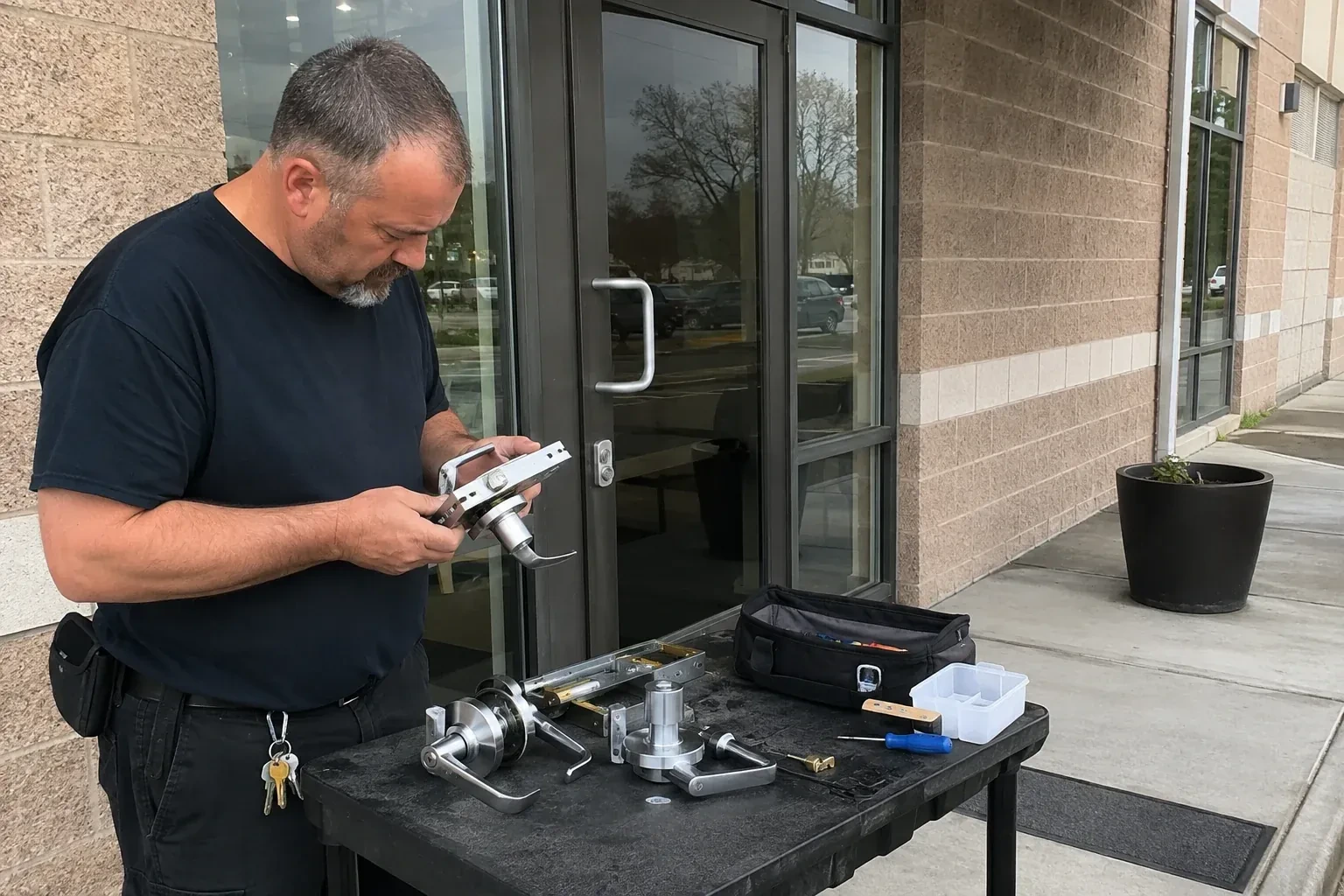
Person holding a door-handle and latch assembly at a worktable outside a glass entrance, with additional handles and tools laid out. — Commercial Rekeying, Brown Hill

Commercial · Brown Hill

Commercial Rekeying

A key turned up in the parking lot with the shop's name on its fob. It came back to you, which is lucky, but it means keys are leaving the building on rings you have never seen, and the shop's locks have not changed since opening day.

In plain words

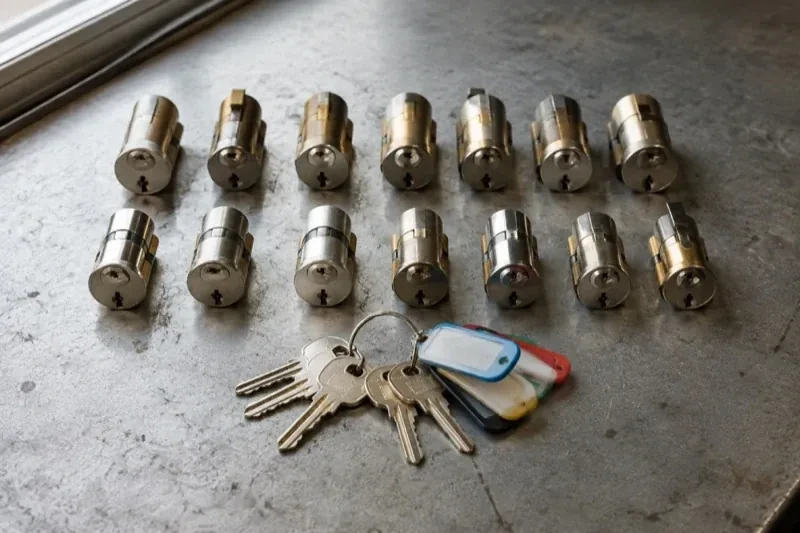
Changing the locks answers today's question; key control keeps it answered. During a commercial rekey the new keys are stamped with a serial code rather than the business name or address, so a dropped key tells its finder nothing. Each key is logged against the person who receives it, and the old keys are collected and cut up on the spot. For premises that want copies kept out of hardware stores, the cylinders can be set up on a restricted keyway, with blanks released only against a signed authorization. What you end up with is a set of locks whose keys you can account for years later.

Sound familiar?Brown Hill

The call
Two people left over the summer and the keys they handed back came up one short. Nobody is sure whether the missing key was for the front door, the stockroom or both, and the sign-out sheet stopped being filled in a year ago.
NextHow the visit goes

Commercial Rekeying · Brown Hill

How the visit goes

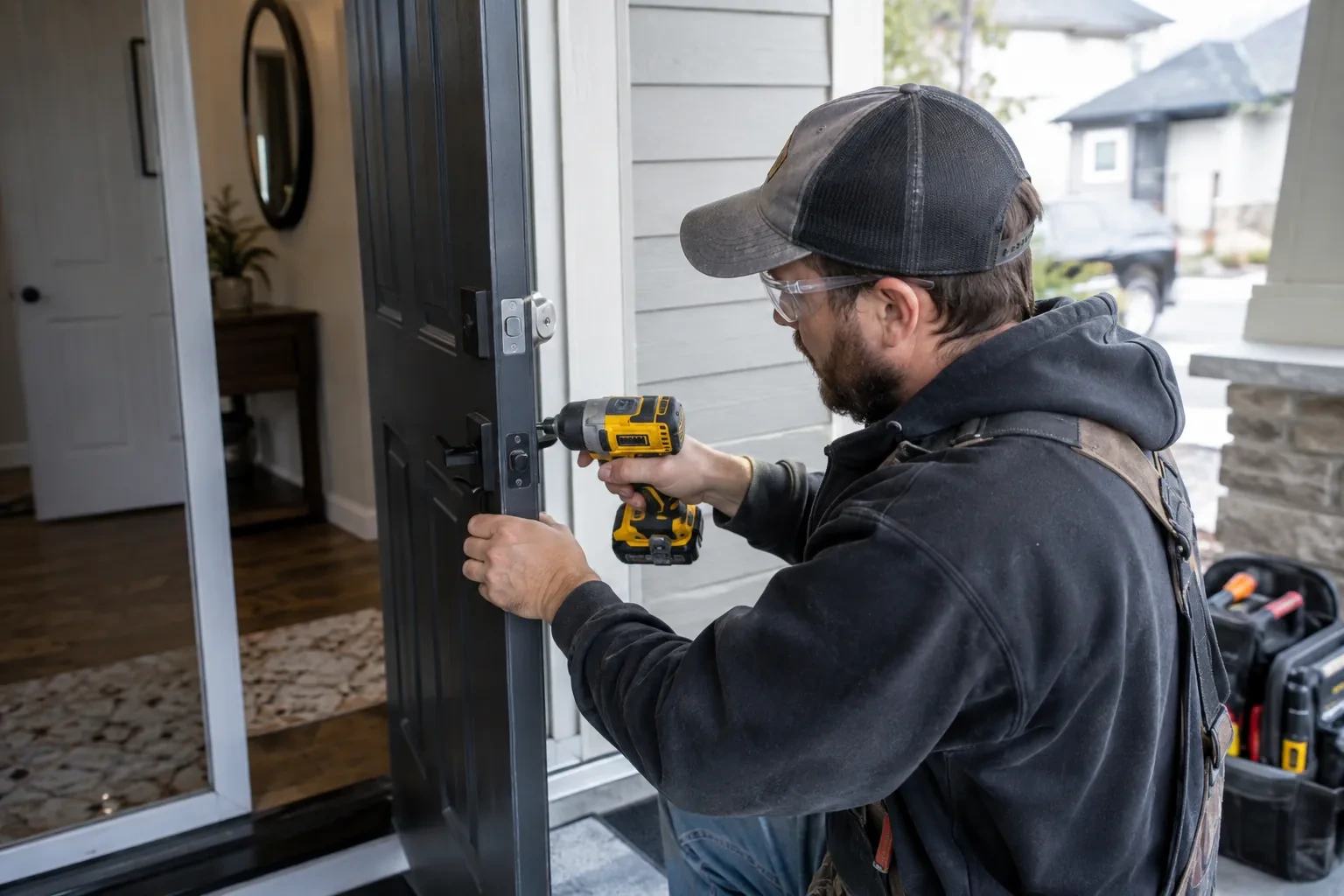
Technician in a cap and clear glasses holding a yellow impact driver at the latch edge of a black door. — Brown Hill
  1. Scene 1

    The state of the cylinders and the doors

    A cylinder about to be repinned is examined the way a mechanic looks over a part before rebuilding it. The plug should turn smoothly with the right key, the pins should spring back cleanly, and the face should be free of the green bloom that salt spray leaves on storefront hardware after a few winters. The locksmith also checks how the door closes: a strike that no longer lines up, a closer that slams, or a deadlatch that fails to catch will keep a freshly rekeyed door from locking properly. Most cylinders pass and are repinned; a worn or corroded one is pointed out so you can choose a replacement for that opening.

  2. Scene 2

    Storefront and mortise cylinders

    Aluminum storefront doors carry a threaded mortise cylinder held by a small set screw in the door edge. The locksmith loosens the screw, spins the cylinder out, repins it, and threads it back to the same depth so the cam engages the deadbolt or hook bolt behind it and nothing else. Mortise locks in older office doors work on the same principle with a heavier lock body. On both, the depth and cam type matter as much as the pinning: a cylinder a turn too far in or a cam of the wrong shape will feel right in the hand but fail to throw the bolt, so each is cycled open and closed.

  3. Scene 3

    A keying chart in plain language

    You leave the visit with a one-page chart that lists every opening by name, the key group it belongs to, the code stamped on that group's keys and how many were cut. It is written for the manager, not the locksmith: the stockroom is called the stockroom, and a glance shows that key group B opens the office and the cash room and nothing else. The bitting details that a locksmith needs to add a cylinder later are kept separately and securely. Pin the chart inside the manager's cupboard, keep a copy off site, and it becomes the reference every future key question is answered from.

In the van

  • Master pins
  • Code key machine
  • Commercial pin kit
  • Interchangeable cores and control key
  • Rekeyable padlocks

What shapes the quoteBrown Hill Locksmith Specialists

Number of cylinders
The count of openings drives the quote more than anything else: each cylinder is removed, repinned, refitted and tested individually, so a three-door shop and a twelve-office suite are very different jobs.
No existing chart or keys
When nobody knows what the current keys open, the locksmith reads and records each cylinder before planning the new keying, and that reconstruction is time in the quote.
Distance to the premises
Travel to the site is part of the call-out, and a unit in a downtown plaza and one at the end of a rural industrial road are different trips.

FeesSame any hour

Have it ready

Before you call · 0 / 3

(365) 510-2010

Curious about the process?

We lost a master key. Does the whole building need doing?

Only the cylinders that master opened, which the keying chart identifies. If the lost key was the top master, that is every lock in the system; if it was a departmental master, it is that department's doors. Where no chart exists, the locksmith reads the cylinders first to establish what the key reached. The remaining doors, and any keys that never opened them, are left exactly as they are.

Is a restricted keyway worth it for a business?

A restricted keyway uses blanks that only the locksmith or authorized source can obtain, released against whatever that key-control program requires, a signed letter, card, signature record or factory authorization naming who may order keys. Hardware stores and kiosks have no blanks, so copies are far harder to get without your say-so. It costs more per key than a standard keyway and is most valuable where keys pass through many hands, such as retail with part-time staff, shared premises or anywhere the count of copies has drifted before.

Should we rekey every time an employee leaves?

Rekey when a key has not come back or when the departure was unfriendly; when a key is returned and the register confirms it, the cylinders it opened are as secure as before. Businesses that want a response to every departure without a visit each time fit interchangeable cores and swap them in-house. Whatever the trigger, dealing with only the cylinders that key opened keeps the response proportionate.

Brown Hillinformation

YorkOntario

Town
Brown Hill, York
In business
30 years
Hours
Open 24/7
Nights, weekends and holidays, same fees
Visits
On-site assessment preferred. Request a visit or call.

2021 census: what it means at the door

Every square is one home in a hundred.

  • 28 in 100 homes · newer homes
  • About 28% of homes in East Gwillimbury were built in 1980 or earlier, according to the 2021 Census.During construction many people hold a key: framers, finishers, painters, the sales office. Where homes are new, rekeying the exterior doors to a fresh key is the tidy way to close that chapter, and it takes a single visit.
  • Single-detached houses make up about 81% of homes in East Gwillimbury (2021 Census).Families in houses hand keys to children, cleaners, dog walkers and neighbours. A locksmith can set up a keypad on the side door for the household and keep the front door on a conventional key, so access matches how the family actually comes and goes.

Source: Statistics Canada, Census Profile

Open Brown Hill in Google Maps

On-site assessment

Request a visit.

A key turned up in the parking lot with the shop's name on its fob.

(365) 510-2010, open 24/7.