Brown Hill Locksmith SpecialistsBulletin 3 of 3East Gwillimbury, Ontario
Commercial Rekeying: what the visit covers
Changing the locks answers today's question; key control keeps it answered.
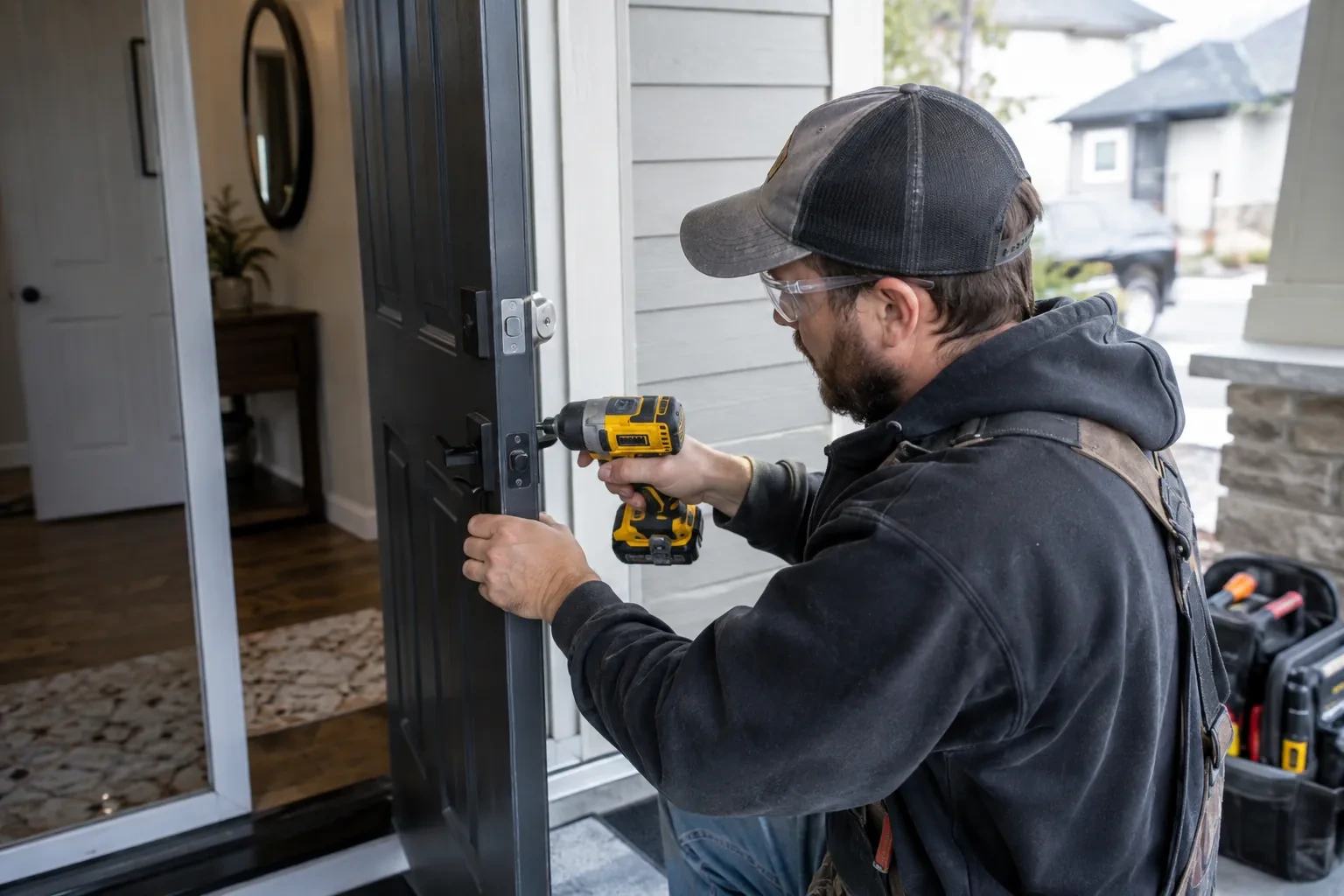
Changing the locks answers today's question; key control keeps it answered. During a commercial rekey the new keys are stamped with a serial code rather than the business name or address, so a dropped key tells its finder nothing. Each key is logged against the person who receives it, and the old keys are collected and cut up on the spot. For premises that want copies kept out of hardware stores, the cylinders can be set up on a restricted keyway, with blanks released only against a signed authorization. What you end up with is a set of locks whose keys you can account for years later.
Who needs to open what
The keying plan is a picture of how the business runs, so the assessment asks who goes through which door on a normal day. Front-line staff need the customer entrance and perhaps the stockroom; supervisors add the office; the owner and the bookkeeper hold the cash room; the IT contractor reaches the server closet and nothing else. Out of that conversation come the key groups: doors keyed alike so one key covers a role, doors keyed differently where separation matters, and whether a master for the owner earns its place. The plan also names anything left out on purpose, so the chart shows both what changes and what stays.
Pinning the master and change keys
When the plan includes a master, each cylinder is pinned to accept two keys: its own change key and the master above it. Thin master pins sit in the pin stacks so the plug can turn at both the change key's height and the master's; master keying can also create extra, unintended combinations, so the locksmith charts the system to keep those from lining up with someone else's key, and the manager's key opens its whole group and nothing beyond it. A well-built system leaves unused combinations in reserve, so when the business adds a door or a department next year the new cylinder joins the plan without disturbing the keys already in people's pockets.
Exits that still open the way they must
Rekeying changes who can come in; it never changes how people get out. Every exit door and every door on the way to one is left opening from the inside with a single motion and no key. On a door with a panic bar, the outside cylinder simply controls entry, and the bar keeps working exactly as before. Once the locksmith has finished, walk the exit routes yourself, push each bar and turn each thumb-turn, and make that walk a habit at the start of every season so a new deadbolt or a helpful padlock never creeps onto an exit.